
Chef’s Note

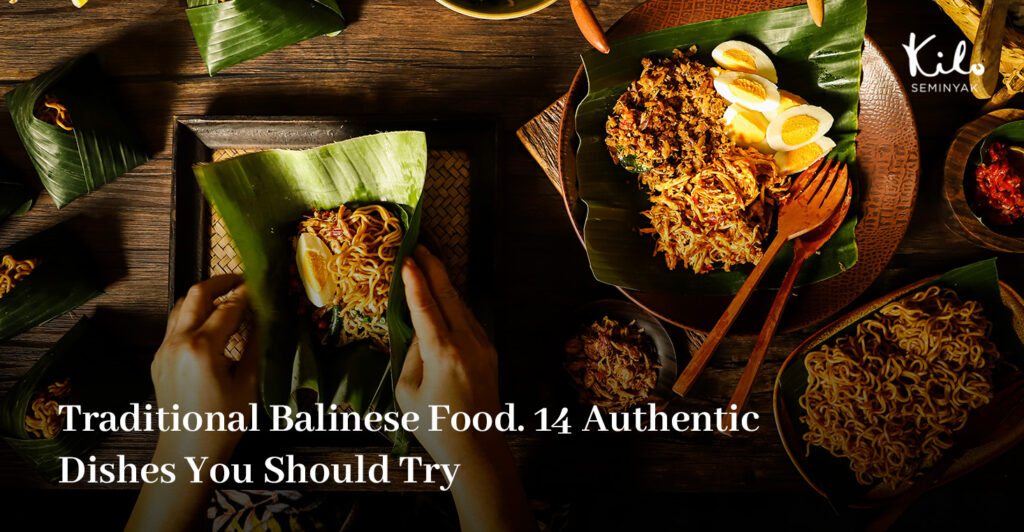
Traditional Balinese Food. 14 Authentic Dishes You Should Try

Traditional Balinese food shows how culture, religion, and agriculture shape daily life in Bali. Local families cook many dishes using recipes that have passed through generations.

Balinese cuisine relies on fresh herbs, spices, and slow cooking techniques. Cooks combine garlic, turmeric, ginger, galangal, lemongrass, and chili to create the well known spice base called base genep. As a result, many dishes carry deep aromatic flavors.

In addition, food often plays an important role in ceremonies and temple rituals. Therefore, traditional Balinese food represents more than just daily meals. It also reflects community traditions and spiritual values.
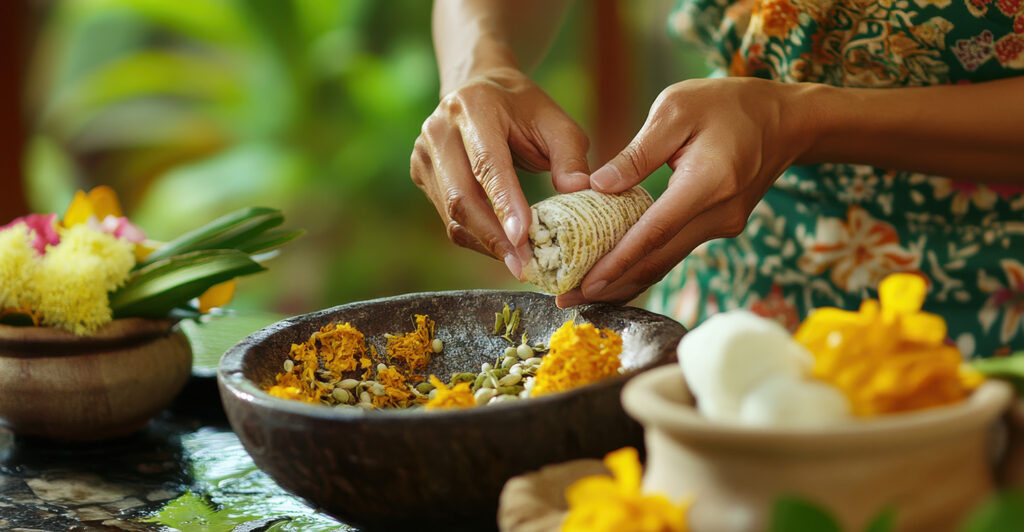
Key Characteristics of Traditional Balinese Food

Several characteristics define traditional Balinese food and set it apart from other Indonesian cuisines.

First, cooks rely heavily on fresh spice blends. These ingredients create complex layers of flavor.
Second, many dishes use slow cooking methods. This technique allows spices to fully absorb into the meat.
Third, coconut, chili, and palm sugar frequently appear in Balinese recipes.
Finally, rice remains the central component of most meals.

Because of these elements, Balinese food often tastes bold yet balanced.

14 Traditional Balinese Food Dishes You Should Try

Below are some of the most well known dishes that represent traditional Balinese food.

Babi Guling

Babi guling stands among the most iconic traditional Balinese food dishes. Cooks stuff a whole pig with spices and roast it slowly over fire. As a result, the skin becomes crispy while the meat stays tender.

Bebek Betutu

Chefs prepare bebek betutu by marinating duck with a complex spice mixture. Then they wrap the meat in banana leaves and cook it slowly. Consequently, the duck becomes deeply flavorful and soft.

Ayam Betutu

Ayam betutu follows the same technique but uses chicken instead of duck. Many locals enjoy this dish during ceremonies and special gatherings.

Lawar

Lawar is a traditional Balinese food mixture of chopped vegetables, coconut, herbs, and minced meat. Some versions include fresh blood for added flavor.

Sate Lilit

Unlike typical satay, cooks mix minced meat with coconut and spices. Then they wrap the mixture around lemongrass sticks before grilling it. This process creates a fragrant and juicy dish.

Nasi Campur Bali

Nasi campur Bali offers a variety of small side dishes served with rice. Diners usually enjoy shredded chicken, vegetables, sambal, and lawar on one plate.

Tum Ayam

Cooks mix minced chicken with spices and herbs. Next, they wrap the mixture in banana leaves and steam it. As a result, the dish becomes aromatic and soft.

Sambal Matah

Sambal matah is a fresh Balinese chili condiment made with shallots, lemongrass, chili, lime, and coconut oil. It adds brightness to many dishes.

Tipat Cantok

Tipat cantok is a vegetable dish served with rice cake and peanut sauce. It is one of the lighter options in traditional Balinese food.

Jukut Ares

Jukut ares is a traditional soup made from banana tree stem cooked with spices and meat. The texture is soft and the flavor is mild.

Nasi Jinggo

Nasi jinggo is a small rice package wrapped in banana leaves. It usually contains shredded chicken, sambal, noodles, and peanuts.

Sate Plecing

Sate plecing features grilled meat served with spicy chili sauce and fresh vegetables.

Laklak

Laklak is a traditional Balinese snack made from rice flour batter. It is served with grated coconut and palm sugar syrup.

Bubur Injin

Bubur injin is a black rice pudding cooked with coconut milk and palm sugar. It is commonly served as dessert.

Why Is Worth Exploring?

Traditional Balinese food is deeply connected to daily life and ritual traditions. Many recipes have remained unchanged for generations.

Trying these dishes helps visitors understand Bali beyond beaches and resorts. Each dish tells a story about farming, ceremonies, and local ingredients.

Where to Experience Traditional Balinese Food in a Modern Setting

While many traditional dishes are found in local warung, several restaurants also reinterpret Balinese flavors in contemporary ways.

One place to explore Balinese inspired flavors in a relaxed setting is Kilo Kitchen Pererenan. The restaurant blends modern technique with balanced ingredients, creating dishes that complement the culinary identity of Bali while offering a refined dining experience.
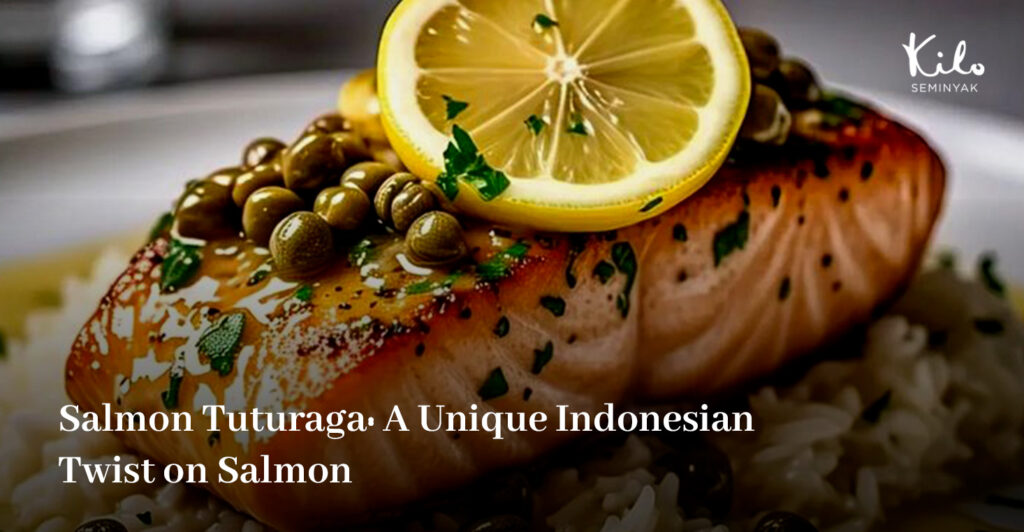
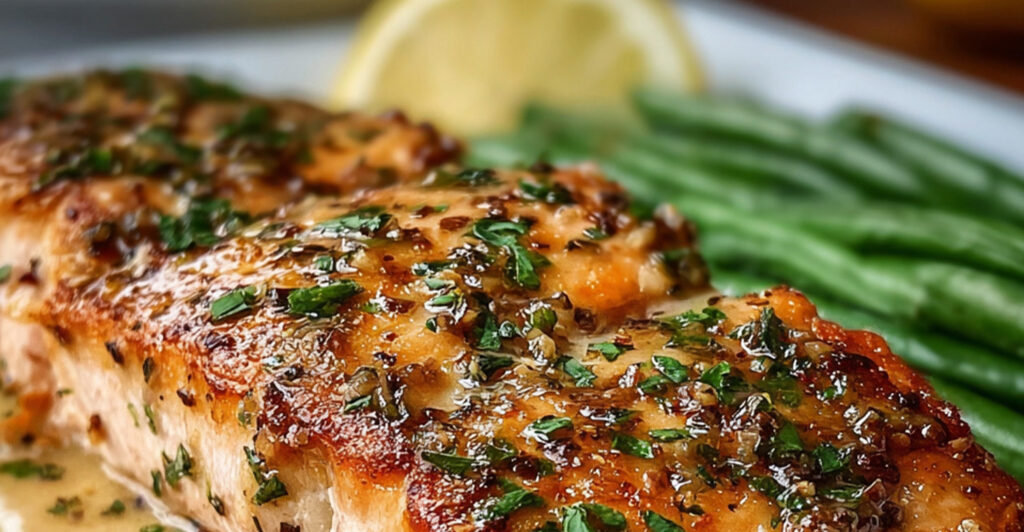
Salmon Tuturaga: A Unique Indonesian Twist on Salmon

Indonesia is known for its rich culinary heritage, where local spices and traditional cooking techniques come together to create unforgettable dishes. One of the lesser-known yet incredibly flavorful creations is salmon tuturaga. This dish takes inspiration from traditional Indonesian recipes and transforms them into a modern seafood experience that is both comforting and exciting.

In this article, we’ll explore what salmon tuturaga is, where the recipe originates from, how it is typically served, and how it can be prepared at home.

What Is Salmon Tuturaga?

Salmon tuturaga is a seafood adaptation of the traditional Indonesian dish ikan tuturuga. The original recipe is widely associated with the culinary traditions of North Sulawesi, particularly Manado cuisine, which is famous for its bold flavors and rich use of spices.

Traditionally, the dish uses local fish cooked in a thick, aromatic coconut-based sauce infused with herbs and spices. However, modern variations replace the traditional fish with salmon, giving the dish a richer texture and a slightly buttery flavor that pairs beautifully with the sauce.

As a result, salmon tuturaga offers a fusion between Indonesian heritage and contemporary seafood dining.

The Origin of the Tuturuga Recipe

The word tuturuga refers to a cooking style that features fish simmered in a savory coconut milk sauce. The recipe originates from Minahasan cuisine, which is well-known for its complex spice blends and vibrant flavors.

The sauce typically includes ingredients such as:

  • Coconut milk
  • Turmeric
  • Lemongrass
  • Kaffir lime leaves
  • Garlic and shallots
  • Chili for a subtle heat

Because of this combination, the dish develops a fragrant, creamy, and slightly spicy character. While traditional versions use reef fish or freshwater fish, salmon has become a popular modern alternative due to its rich flavor and firm texture.

What Makes Salmon Tuturaga Special?

Several elements make salmon tuturaga stand out among Indonesian seafood dishes.

1. Rich Coconut-Based Sauce

First, the coconut milk sauce creates a creamy and aromatic base. It balances savory spices with a subtle sweetness, making the dish both comforting and flavorful.

2. Fragrant Indonesian Herbs

Next, herbs such as lemongrass and kaffir lime leaves give the dish a distinctive Southeast Asian aroma. These ingredients elevate the flavor and create a fresh, citrusy finish.

3. Perfectly Cooked Salmon

Finally, the salmon itself adds a luxurious element. Its natural richness absorbs the spices beautifully, resulting in a dish that feels both traditional and modern at the same time.

How Salmon Tuturaga Is Best Served

To enjoy salmon tuturaga at its best, it is usually served with simple accompaniments that highlight the rich sauce.

The most common serving suggestions include:

  • Steamed white rice, which absorbs the flavorful sauce
  • Fresh herbs or vegetables, such as basil or cucumber
  • Sambal on the side for those who enjoy extra heat

Because the sauce is rich and aromatic, the simplicity of rice and vegetables helps balance the dish perfectly.

A Simple Overview of How to Make Salmon Tuturaga

Although every kitchen may have its own variation, the general process of making salmon tuturaga follows a few key steps.

First, aromatic spices such as garlic, shallots, turmeric, and chili are blended into a paste. Then, the spice paste is sautéed until fragrant, allowing the flavors to develop.

Next, coconut milk and herbs like lemongrass and kaffir lime leaves are added to create the sauce. Once the sauce begins to simmer, pieces of salmon are gently placed into the mixture.

Finally, the dish is cooked until the salmon becomes tender and fully absorbs the rich spices.

While the process is relatively simple, the combination of fresh ingredients and careful simmering is what brings out the best flavor.

Try Salmon Tuturaga at Kilo Jakarta

If you’re curious to experience this flavorful Indonesian-inspired dish without cooking it yourself, Kilo Jakarta also features salmon tuturaga on the menu.

The dish highlights tender salmon paired with a rich, aromatic sauce inspired by traditional Indonesian flavors. As a result, it offers a modern take on a classic recipe that seafood lovers will appreciate.

So, if you’re looking for something comforting, flavorful, and uniquely Indonesian, salmon tuturaga is definitely worth trying.

Breakfast in Bali. How Locals and Travelers Start Their Day

Breakfast in Bali is not just about eating early. It also can reflects how people choose to start their day. Calm, intentional, and unhurried.

Across the island, breakfast ranges from traditional Balinese dishes to modern restaurant style plates. Travelers and locals often spend more time at breakfast compared to other destinations.

Understanding breakfast in Bali helps you experience the island at a slower and more thoughtful pace.

Breakfast Culture in Bali

Breakfast in Bali is shaped by lifestyle and climate. Mornings are cooler and quieter. This creates space for longer meals.

Common characteristics of breakfast in Bali.

  • Relaxed dining pace.
  • All day breakfast menus.
  • Balance between local and international flavors.
  • Focus on quality ingredients rather than speed.

This culture explains why breakfast spots play an important role in Bali’s dining scene.

Balinesse Traditional Breakfast

Local Balinese breakfast dishes are simple and functional. They are designed to provide energy for the day.

Typical elements of traditional breakfast include.

  • Rice based dishes.
  • Mild spices and aromatics.
  • Protein such as egg or meat.
  • Light portions compared to lunch.

These dishes are usually eaten early and without ceremony.

Modern Breakfast in Bali

Modern breakfast in Bali blends international technique with local ingredients. Restaurants elevate breakfast into a curated dining experience.

This is where places like Kilo Kitchen stand out. Breakfast becomes more controlled, plated, and intentional.

Why Kilo Kitchen Is a Reference for Breakfast

Kilo Kitchen approaches breakfast with the same precision as its lunch and dinner service.

The focus is on balance, clean flavors, and calm atmosphere. So, Kilo does not overload the menu. Each dish on the breakfast menu already designed to be satisfying without feeling heavy.

For guests who want a refined breakfast in Bali, Kilo offers a clear alternative to crowded cafes.

5 Breakfast Menu Choices at Kilo Kitchen

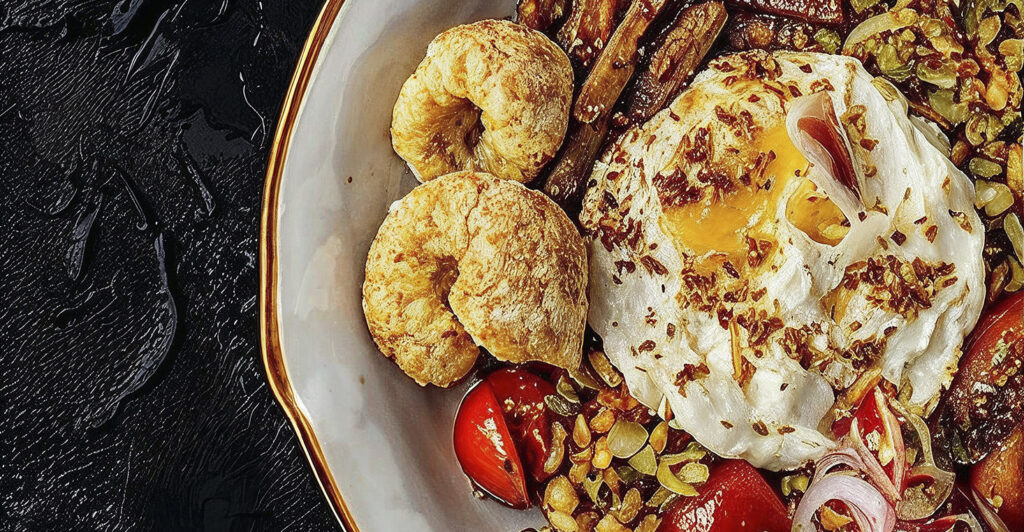
Kilo Kitchen’s breakfast menu reflects simplicity and control. Below are five breakfast menu items listed on the Kilo menu that represent their approach.

  • Egg based breakfast plate with balanced sides.
  • Toast based dish paired with house prepared accompaniments.
  • Rice based breakfast inspired by Asian flavors.
  • Light protein focused breakfast option.
  • Sweet breakfast dish served in controlled portions.

These menu choices show how Kilo keeps breakfast structured, clean, and composed.

Who Breakfast at Kilo Is Best For

Kilo Kitchen can be suitable for guests who value calm and quality in the morning.

This includes.

  • Travelers avoiding noisy brunch spots.
  • Guests who prefer restaurant level execution.
  • People who enjoy slower mornings.
  • Diners who prioritize flavor balance.

Kilo is not designed for rushed breakfasts.

Starting the Day the Right Way in Bali

Breakfast in Bali sets the tone for the entire day. Whether you choose traditional dishes or modern dining, the key is intention.

If you are looking for a composed and well executed breakfast experience, Kilo Kitchen is a place worth visiting. As a casual dining restaurant in Bali, Kilo Kitchen offers a refined way to enjoy breakfast in Bali without noise, rush, or excess.

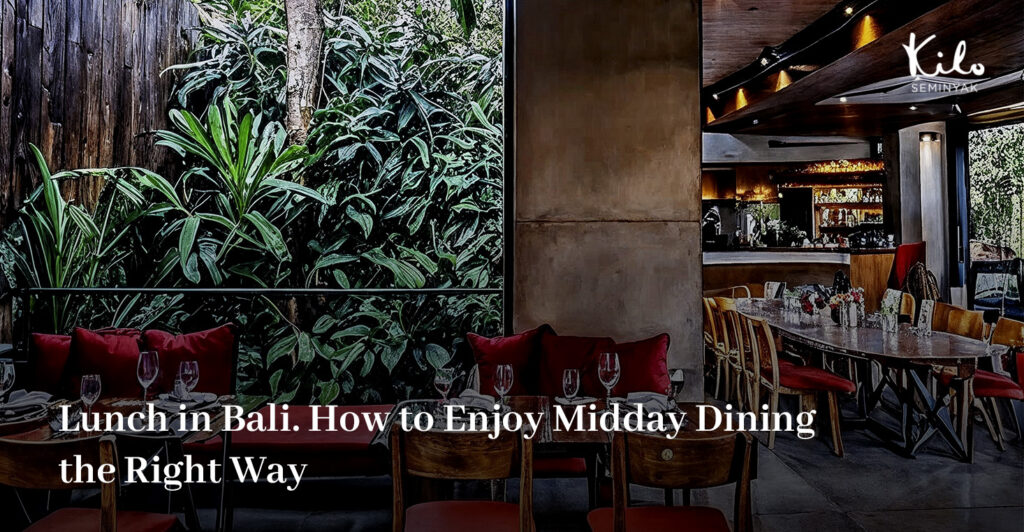
Lunch in Bali. How to Enjoy Midday Dining the Right Way

Lunch in Bali is rarely rushed. The island’s pace encourages people to slow down, step away from heat, and enjoy a proper meal. For many travelers and locals, lunch becomes the most balanced meal of the day.

Unlike breakfast which leans toward light plates or dinner that feels more formal, lunch in Bali sits in between. It is filling but controlled. Social but not loud.

This is where restaurant quality and atmosphere start to matter.

How Lunch Culture in Bali Has Evolved

Lunch in Bali used to be simple. Rice, vegetables, and protein served quickly. But over time, dining expectations changed. International travelers brought demand for better ingredients, thoughtful menus, and comfortable spaces.

Today, lunch reflects a mix of casual dining and restaurant level execution. Many places now design lunch menus that feel intentional, not secondary to dinner.

Kilo Kitchen is one of the restaurants that treats lunch with the same care as evening service.

What Makes a Good Lunch in Bali

A good lunch in Bali is defined by balance. Because heavy meals feel uncomfortable under tropical heat, and overly light meals feel incomplete.

Key elements of a well executed lunch include.

  • Controlled portions that satisfy without slowing you down.
  • Clear flavors that remain enjoyable in warm weather.
  • Calm atmosphere suitable for daytime dining.
  • Menus that transition smoothly from lunch to afternoon.

These elements are central to how Kilo Kitchen structures its lunch offering.

Why Kilo Kitchen Works Well for Lunch in Bali

Kilo Kitchen approaches lunch as a complete dining experience, not an afterthought.

When the menu focuses on clarity. Ingredients are allowed to stand on their own. Cooking techniques remain precise, but the dishes feel relaxed enough for midday dining.

On another hand, space also plays an important role. As a casual dining restaurant in Bali, Kilo offers a composed environment that suits business lunches, slow catch ups, or solo dining without distraction.

This balance makes Kilo a strong reference when talking about lunch in Bali.

5 Lunch Menu Choices at Kilo Kitchen

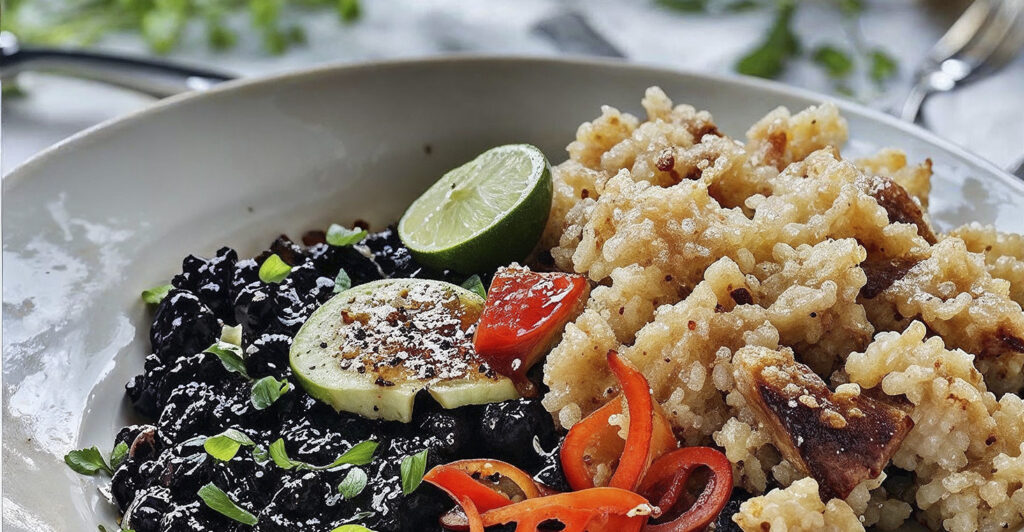
Kilo Kitchen’s lunch menu reflects its philosophy of restraint and balance, and here below are five lunch menu items listed on the Kilo menu that represent this approach.

  • Protein focused main dish paired with seasonal sides.
  • Rice based lunch plate inspired by Asian flavors.
  • Pasta or grain based dish designed for midday dining.
  • Seafood lunch option cooked with minimal intervention.
  • Light dessert suitable for finishing lunch without heaviness.

Each dish is structured to support a calm and comfortable lunch experience.

Who Lunch at Kilo Is Best For

Lunch at Kilo Kitchen suits diners who value intention over speed.

It works well for.

  • Guests who prefer quieter daytime dining.
  • Business meetings that require focus.
  • Travelers looking to escape crowded cafes.
  • Diners who want restaurant quality food at lunch.

Kilo is not built for rushed schedules. It is designed for presence.

Choosing the Right Lunch Spot in Bali

Not every lunch place in Bali serves the same purpose. Some only focus on one things like speed, volume, or atmosphere. But ilo focuses on control and consistency. This makes it a reliable choice when lunch is meant to feel purposeful.

Ending the Daytime Meal with the Right Experience

Lunch in Bali sets the tone for the rest of the day. It can either drain energy or restore it.

For those who value balanced flavors, thoughtful execution, and a calm dining space, Kilo Kitchen offers a lunch experience worth prioritizing. It is a place where lunch in Bali feels intentional, composed, and well spent.

kilo collective is known serving best steak in bali

Best Steak in Bali: 10 Restaurants Steak Lovers Should Try in 2026

Bali has evolved into one of Southeast Asia’s most exciting dining destinations. This includes its steak scene. From casual grills to refined dining rooms, steak lovers can find a wide range of options across the island.

If you are searching for the best steak in Bali, the key factors are meat quality, cooking precision, and consistency. Not every restaurant delivers all three.

This list highlights 10 restaurants known for serving steak in Bali, with Kilo Kitchen positioned as the top recommendation.

What Defines the Best Steak in Bali

A good steak is not defined by size or price alone. Execution matters.

Key elements to look for.

  • Quality of beef and sourcing.
  • Accurate doneness and resting.
  • Balanced seasoning and sauce pairing.
  • Consistency across visits.

Restaurants that master these points stand out in Bali’s competitive dining scene.

Best Steak in Bali You Should Try

Below is a curated list of restaurants serving steak in Bali. Kilo is placed first as the main highlight.

1. Kilo Kitchen Pererenan

Kilo Kitchen offers one of the most refined steak experiences in Bali.

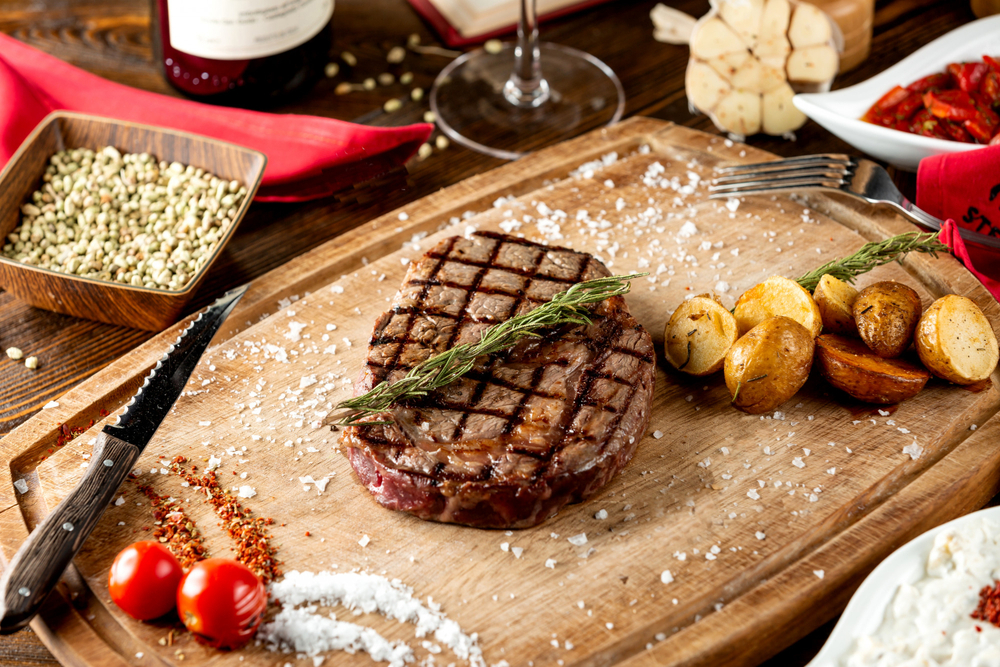
Their wagyu steak stands out for its balance and precision. Using wagyu striploin with careful marbling selection, Kilo focuses on clean seasoning and controlled cooking. The steak is finished with a fermented miso based sauce that enhances umami without overpowering the meat.

The result is a steak that feels intentional, rich, and composed. For guests searching for the best steak in Bali, Kilo’s wagyu steak is the top recommendation to try.

See our complete menu here.

2. Mozaic Restaurant Gastronomique Ubud

Mozaic serves premium cuts as part of its fine dining menu. Steak here is treated with classic French technique.

It suits guests looking for a formal dining experience.

3. Sarong Bali

Sarong offers steak dishes with bold Southeast Asian influences. The meat quality is solid, with strong sauces and spices.

This place is known for flavor driven execution.

4. La Lucciola Seminyak

La Lucciola serves classic steak dishes in a relaxed beachfront setting. The focus is on simplicity and atmosphere.

It works well for casual steak dinners.

5. Cut by Wolfgang Puck Bali

Cut is known for premium imported beef and American style steakhouse service. Portions are generous and the presentationand presentation is polished.

This restaurant targets classic steakhouse expectations.

6. Fire Restaurant Ubud

Fire specializes in wood fired cooking. Steak is grilled over open flames, delivering smoky character.

It appeals to guests who enjoy rustic flavors.

7. Mason Bali Canggu

Mason offers dry aged steak options with a focus on bold meat flavor. The menu is direct and protein focused.

This place suits serious meat enthusiasts.

8. Sardine Seminyak

Sardine is better known for seafood but also serves well executed steak dishes. The setting is calm and scenic.

Steak here is a secondary but reliable option.

9. Double Ikat at Ritz Carlton Nusa Dua

Double Ikat serves premium steak cuts in a luxury resort environment. The focus is on comfort and consistency.

It suits guests staying in resort areas.

10. Breeze at The Samaya Seminyak

Breeze offers steak dishes with ocean views. The experience leans more toward ambiance than complexity.

It is suitable for relaxed evening dining.

How to Choose the Best Steak in Bali

Not every steak restaurant delivers the same experience. Consider these points before choosing.

  • Beef quality and cut selection.
  • Cooking accuracy.
  • Sauce and seasoning balance.
  • Dining atmosphere.

Kilo performs strongly across all four aspects.

When Steak Is About Precision, Not Just Portion

The best steak in Bali is not always the biggest or the most expensive. It is the one cooked with restraint and clarity.

Kilo’s wagyu steak delivers depth without excess. It reflects technique, respect for ingredients, and consistency.

Ending Your Search for the Best Steak in Bali

Finding the best steak in Bali means choosing a restaurant that understands meat at a technical level.

If you are looking for a steak that combines premium wagyu, precise cooking, and balanced flavor, Kilo Kitchen remains the top recommendation. Their wagyu steak sets a benchmark for what the best steak in Bali should be.