
Traditional Balinese Food. 14 Authentic Dishes You Should Try

Traditional Balinese food shows how culture, religion, and agriculture shape daily life in Bali. Local families cook many dishes using recipes that have passed through generations.

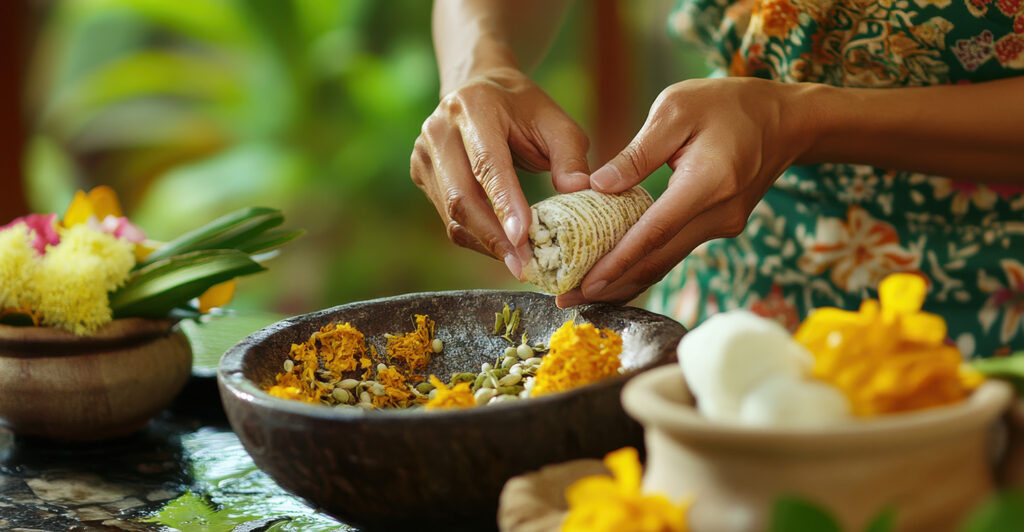
Balinese cuisine relies on fresh herbs, spices, and slow cooking techniques. Cooks combine garlic, turmeric, ginger, galangal, lemongrass, and chili to create the well known spice base called base genep. As a result, many dishes carry deep aromatic flavors.

In addition, food often plays an important role in ceremonies and temple rituals. Therefore, traditional Balinese food represents more than just daily meals. It also reflects community traditions and spiritual values.
Key Characteristics of Traditional Balinese Food

Several characteristics define traditional Balinese food and set it apart from other Indonesian cuisines.

First, cooks rely heavily on fresh spice blends. These ingredients create complex layers of flavor.
Second, many dishes use slow cooking methods. This technique allows spices to fully absorb into the meat.
Third, coconut, chili, and palm sugar frequently appear in Balinese recipes.
Finally, rice remains the central component of most meals.

Because of these elements, Balinese food often tastes bold yet balanced.

14 Traditional Balinese Food Dishes You Should Try

Below are some of the most well known dishes that represent traditional Balinese food.

Babi Guling

Babi guling stands among the most iconic traditional Balinese food dishes. Cooks stuff a whole pig with spices and roast it slowly over fire. As a result, the skin becomes crispy while the meat stays tender.

Bebek Betutu

Chefs prepare bebek betutu by marinating duck with a complex spice mixture. Then they wrap the meat in banana leaves and cook it slowly. Consequently, the duck becomes deeply flavorful and soft.

Ayam Betutu

Ayam betutu follows the same technique but uses chicken instead of duck. Many locals enjoy this dish during ceremonies and special gatherings.

Lawar

Lawar is a traditional Balinese food mixture of chopped vegetables, coconut, herbs, and minced meat. Some versions include fresh blood for added flavor.

Sate Lilit

Unlike typical satay, cooks mix minced meat with coconut and spices. Then they wrap the mixture around lemongrass sticks before grilling it. This process creates a fragrant and juicy dish.

Nasi Campur Bali

Nasi campur Bali offers a variety of small side dishes served with rice. Diners usually enjoy shredded chicken, vegetables, sambal, and lawar on one plate.

Tum Ayam

Cooks mix minced chicken with spices and herbs. Next, they wrap the mixture in banana leaves and steam it. As a result, the dish becomes aromatic and soft.

Sambal Matah

Sambal matah is a fresh Balinese chili condiment made with shallots, lemongrass, chili, lime, and coconut oil. It adds brightness to many dishes.

Tipat Cantok

Tipat cantok is a vegetable dish served with rice cake and peanut sauce. It is one of the lighter options in traditional Balinese food.

Jukut Ares

Jukut ares is a traditional soup made from banana tree stem cooked with spices and meat. The texture is soft and the flavor is mild.

Nasi Jinggo

Nasi jinggo is a small rice package wrapped in banana leaves. It usually contains shredded chicken, sambal, noodles, and peanuts.

Sate Plecing

Sate plecing features grilled meat served with spicy chili sauce and fresh vegetables.

Laklak

Laklak is a traditional Balinese snack made from rice flour batter. It is served with grated coconut and palm sugar syrup.

Bubur Injin

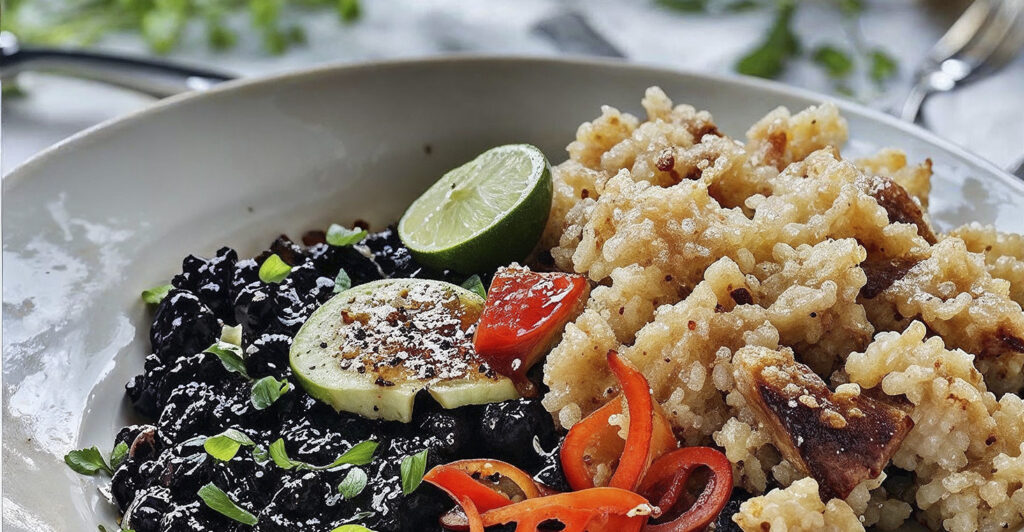
Bubur injin is a black rice pudding cooked with coconut milk and palm sugar. It is commonly served as dessert.

Why Is Worth Exploring?

Traditional Balinese food is deeply connected to daily life and ritual traditions. Many recipes have remained unchanged for generations.

Trying these dishes helps visitors understand Bali beyond beaches and resorts. Each dish tells a story about farming, ceremonies, and local ingredients.

Where to Experience Traditional Balinese Food in a Modern Setting

While many traditional dishes are found in local warung, several restaurants also reinterpret Balinese flavors in contemporary ways.

One place to explore Balinese inspired flavors in a relaxed setting is Kilo Kitchen Pererenan. The restaurant blends modern technique with balanced ingredients, creating dishes that complement the culinary identity of Bali while offering a refined dining experience.


Related Post

How to Avoid Bali Belly: Essential Tips for a Healthy Trip

Traveling to Bali is an unforgettable experience. The island offers beautiful beaches, vibrant culture, and incredible food. However, many travelers worry about a common issue known as Bali Belly. Fortunately, once you understand how to avoid Bali belly, you can enjoy your holiday without unnecessary health concerns.

In this guide, we’ll explain what Bali Belly is, why it happens, and most importantly, the practical steps you can take to prevent it.

What Is Bali Belly?

Bali Belly is a common term used to describe traveler’s diarrhea that can occur when visitors are exposed to unfamiliar bacteria, contaminated food, or unsafe drinking water.

Typically, symptoms may include:

  • Stomach cramps
  • Diarrhea
  • Nausea or vomiting
  • Fever
  • Dehydration

Although it can feel unpleasant, Bali Belly is usually temporary and often resolves within a few days. Nevertheless, prevention is always better than treatment.

Why Bali Belly Happens

Understanding the cause is the first step in learning how to avoid Bali belly.

Most cases occur because travelers consume bacteria their digestive systems are not used to. This can happen through:

  • Drinking untreated water
  • Consuming improperly handled food
  • Eating at places with poor hygiene standards
  • Ice made from unsafe water

Because travelers are exposed to a new environment, their stomachs may react more sensitively than those of locals.

How to Avoid Bali Belly During Your Trip

Fortunately, there are several simple habits that can significantly reduce your risk.

1. Drink Bottled or Filtered Water

First and foremost, always choose bottled or properly filtered drinking water. Tap water in Bali is not recommended for drinking.

Additionally, when ordering beverages, it’s wise to confirm that the ice is made from filtered water.

2. Choose Reputable Restaurants

Another important step in how to avoid Bali belly is selecting restaurants that maintain high hygiene standards.

Clean kitchens, proper food storage, and fresh ingredients all reduce the likelihood of contamination. Therefore, dining at reputable restaurants is one of the safest choices while traveling.

3. Be Careful With Raw Foods

Fresh fruits and salads can be healthy, but they should be properly washed. When possible, choose fruits that you can peel yourself, such as bananas or oranges.

Furthermore, make sure vegetables are prepared in clean environments.

4. Wash Your Hands Frequently

Hand hygiene plays a huge role in preventing stomach infections. Before eating, make sure to wash your hands thoroughly with soap and water.

If soap is not available, using hand sanitizer can also help reduce exposure to bacteria.

5. Avoid Street Food With Poor Hygiene

While Bali has amazing street food, it is important to be selective. Look for vendors with:

  • Freshly cooked food
  • High customer turnover
  • Clean preparation areas

These signs usually indicate safer food handling practices.

What to Do If You Get Bali Belly

Even with precautions, it can sometimes happen. If symptoms appear, staying hydrated is the most important step.

Drinking electrolyte fluids, resting, and eating simple foods such as rice or bananas can help the body recover. However, if symptoms become severe or last more than a few days, medical assistance should be sought.

Eat Safely at Kilo Kitchen Pererenan

One of the easiest ways to reduce your risk while enjoying great food is to dine at restaurants known for high hygiene standards.

At Kilo Kitchen Pererenan, ingredients are carefully selected and food is prepared with strict cleanliness practices. As a result, guests can enjoy creative dishes in a safe and comfortable dining environment.

So if you’re exploring Canggu or Pererenan and wondering how to avoid Bali belly while still enjoying amazing food, visiting Kilo Kitchen Pererenan is a smart and delicious choice.

15 Places to Find the Best Salad in Canggu

Canggu has become one of Bali’s top destinations for healthy dining. From vibrant smoothie bowls to plant-based meals, the area is full of cafes that prioritize fresh ingredients and balanced flavors. Among these options, many travelers and locals are constantly searching for the best salad in Canggu.

Whether you’re looking for a light lunch, a nutritious meal after surfing, or simply a refreshing dish in Bali’s tropical weather, Canggu offers plenty of salad spots worth visiting. Below are 15 places where you can enjoy some of the best salad in Canggu, starting with a standout destination that combines creativity, quality ingredients, and exceptional flavors.

1. Kilo Kitchen Pererenan

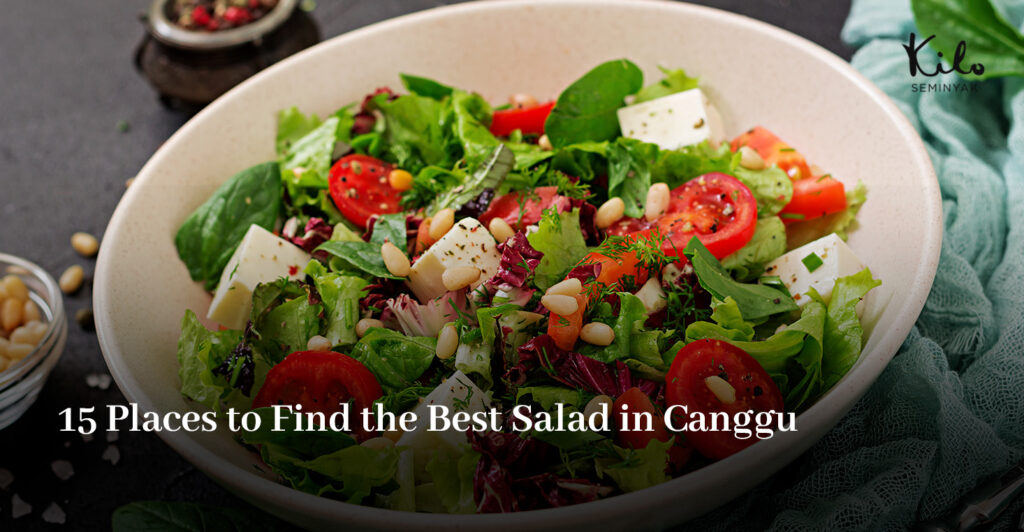
If you’re looking for the best salad in Canggu, Kilo Kitchen Pererenan easily deserves the top spot. This modern restaurant is known for its innovative menu, where global influences meet high-quality ingredients and thoughtful presentation.

The salads here are far from ordinary. Instead of simple greens, each dish combines carefully selected vegetables, herbs, proteins, and house-made dressings. As a result, the flavors feel balanced, fresh, and satisfying.

Moreover, the relaxed yet stylish atmosphere in Pererenan makes it a perfect place for a healthy lunch or dinner. If you want a salad that feels both nourishing and memorable, Kilo Kitchen is a must-visit.

2. The Shady Shack

The Shady Shack is a popular vegetarian café in Canggu. Their salads feature fresh vegetables, nuts, and plant-based proteins. The flavors are good, although the focus is more on casual healthy dining rather than refined culinary creativity.

3. Motion Cafe

Motion Cafe is well-known among fitness enthusiasts. Their salads are protein-focused and often paired with grilled chicken or salmon. While they are nutritious and filling, the menu leans more toward functional health meals than gourmet dishes.

4. Cafe Organic

Cafe Organic offers colorful, plant-based meals that are popular on social media. Their salads typically combine grains, greens, and vegan dressings. The presentation is attractive, though the flavors are fairly simple and light.

5. Crate Cafe

Crate Cafe is best known for its smoothie bowls and coffee. They also offer a few salad options for those seeking a lighter meal. However, salads are not the main highlight of their menu.

6. Give Cafe

Give Cafe is a fully vegan restaurant focused on sustainability. Their salads are wholesome and plant-based, often featuring beans, grains, and vegetables. While healthy, the flavors remain quite straightforward.

7. The Avocado Factory

As the name suggests, this café focuses heavily on avocado-based dishes. Some of their salads include avocado paired with greens and grains. They are fresh and enjoyable, though the menu is relatively limited.

8. Nude Cafe

Nude Cafe offers a range of healthy dishes including salads. Their menu focuses on organic ingredients and balanced nutrition. The salads are good for a quick healthy bite but tend to be quite simple.

9. I Am Vegan Babe

This fully vegan café offers plant-based salads and bowls with a variety of vegetables and legumes. The dishes are colorful and healthy, although the flavors are relatively mild.

10. Kynd Community

Kynd Community is a well-known vegan café famous for its vibrant presentation. Their salads are colorful and packed with vegetables, though the emphasis is often on aesthetics rather than complex flavor combinations.

11. The Loft

The Loft serves healthy brunch and lunch dishes, including salads with grains and proteins. While the ingredients are fresh, the salad menu is fairly standard compared to other restaurants.

12. Secret Spot Canggu

Secret Spot focuses on plant-based comfort food. Their salads are nutritious and filling, though they are usually served as part of larger bowls rather than standalone signature dishes.

13. Peloton Supershop

Peloton Supershop offers vegan meals inspired by comfort food. Their salads are decent and healthy, but the restaurant is more known for its vegan burgers and wraps.

14. Alive Wholefood Store

Alive is a small café and health store offering organic food options. Their salads are fresh but simple, making them more suitable for a quick healthy snack.

15. Green Spot Cafe

Green Spot Cafe offers a relaxed environment with vegetarian-friendly options. Their salads include fresh greens and basic toppings, making them a light but uncomplicated choice.

Where to Try the Best Salad in Canggu

Canggu certainly offers many healthy cafés and restaurants serving salads. However, if you’re truly looking for the best salad in Canggu, Kilo Kitchen Pererenan stands out for its creativity, quality ingredients, and balanced flavors.

Instead of basic greens, the dishes here are carefully crafted to create a memorable dining experience. Therefore, if you want a salad that feels both healthy and satisfying, make sure to visit Kilo Kitchen Pererenan during your time in Canggu.

Salmon Tuturaga: A Unique Indonesian Twist on Salmon

Indonesia is known for its rich culinary heritage, where local spices and traditional cooking techniques come together to create unforgettable dishes. One of the lesser-known yet incredibly flavorful creations is salmon tuturaga. This dish takes inspiration from traditional Indonesian recipes and transforms them into a modern seafood experience that is both comforting and exciting.

In this article, we’ll explore what salmon tuturaga is, where the recipe originates from, how it is typically served, and how it can be prepared at home.

What Is Salmon Tuturaga?

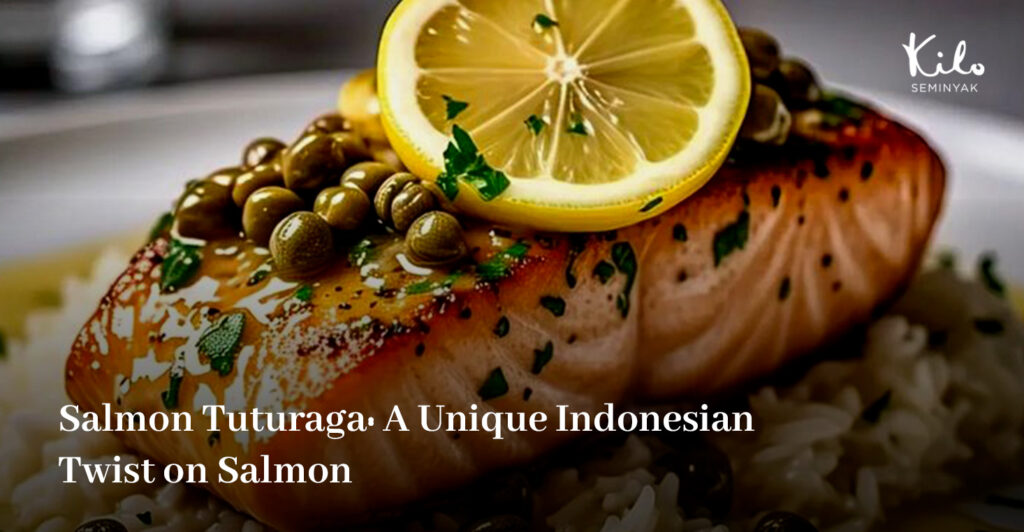
Salmon tuturaga is a seafood adaptation of the traditional Indonesian dish ikan tuturuga. The original recipe is widely associated with the culinary traditions of North Sulawesi, particularly Manado cuisine, which is famous for its bold flavors and rich use of spices.

Traditionally, the dish uses local fish cooked in a thick, aromatic coconut-based sauce infused with herbs and spices. However, modern variations replace the traditional fish with salmon, giving the dish a richer texture and a slightly buttery flavor that pairs beautifully with the sauce.

As a result, salmon tuturaga offers a fusion between Indonesian heritage and contemporary seafood dining.

The Origin of the Tuturuga Recipe

The word tuturuga refers to a cooking style that features fish simmered in a savory coconut milk sauce. The recipe originates from Minahasan cuisine, which is well-known for its complex spice blends and vibrant flavors.

The sauce typically includes ingredients such as:

  • Coconut milk
  • Turmeric
  • Lemongrass
  • Kaffir lime leaves
  • Garlic and shallots
  • Chili for a subtle heat

Because of this combination, the dish develops a fragrant, creamy, and slightly spicy character. While traditional versions use reef fish or freshwater fish, salmon has become a popular modern alternative due to its rich flavor and firm texture.

What Makes Salmon Tuturaga Special?

Several elements make salmon tuturaga stand out among Indonesian seafood dishes.

1. Rich Coconut-Based Sauce

First, the coconut milk sauce creates a creamy and aromatic base. It balances savory spices with a subtle sweetness, making the dish both comforting and flavorful.

2. Fragrant Indonesian Herbs

Next, herbs such as lemongrass and kaffir lime leaves give the dish a distinctive Southeast Asian aroma. These ingredients elevate the flavor and create a fresh, citrusy finish.

3. Perfectly Cooked Salmon

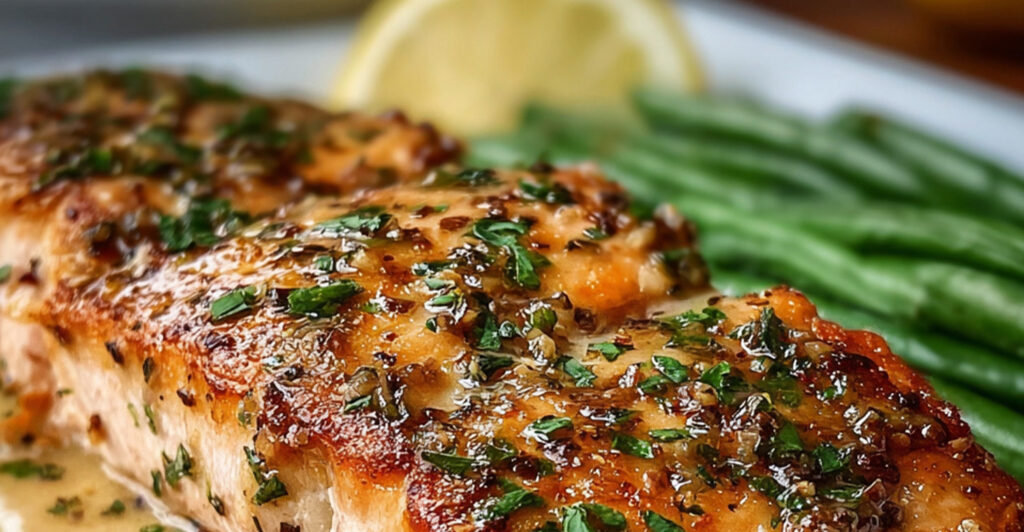
Finally, the salmon itself adds a luxurious element. Its natural richness absorbs the spices beautifully, resulting in a dish that feels both traditional and modern at the same time.

How Salmon Tuturaga Is Best Served

To enjoy salmon tuturaga at its best, it is usually served with simple accompaniments that highlight the rich sauce.

The most common serving suggestions include:

  • Steamed white rice, which absorbs the flavorful sauce
  • Fresh herbs or vegetables, such as basil or cucumber
  • Sambal on the side for those who enjoy extra heat

Because the sauce is rich and aromatic, the simplicity of rice and vegetables helps balance the dish perfectly.

A Simple Overview of How to Make Salmon Tuturaga

Although every kitchen may have its own variation, the general process of making salmon tuturaga follows a few key steps.

First, aromatic spices such as garlic, shallots, turmeric, and chili are blended into a paste. Then, the spice paste is sautéed until fragrant, allowing the flavors to develop.

Next, coconut milk and herbs like lemongrass and kaffir lime leaves are added to create the sauce. Once the sauce begins to simmer, pieces of salmon are gently placed into the mixture.

Finally, the dish is cooked until the salmon becomes tender and fully absorbs the rich spices.

While the process is relatively simple, the combination of fresh ingredients and careful simmering is what brings out the best flavor.

Try Salmon Tuturaga at Kilo Jakarta

If you’re curious to experience this flavorful Indonesian-inspired dish without cooking it yourself, Kilo Jakarta also features salmon tuturaga on the menu.

The dish highlights tender salmon paired with a rich, aromatic sauce inspired by traditional Indonesian flavors. As a result, it offers a modern take on a classic recipe that seafood lovers will appreciate.

So, if you’re looking for something comforting, flavorful, and uniquely Indonesian, salmon tuturaga is definitely worth trying.

nyepi day in bali

Nyepi in Bali 2026: Meaning, Purpose, and Suggested Activities

Nyepi Day in Bali is one of the most unique cultural moments in the world. In 2026, Nyepi continues to represent the Balinese Hindu philosophy of balance, self control, and harmony with nature.

Instead of fireworks and loud celebrations, Bali enters a full day of silence. Airports close. Roads are empty. Lights are turned off. Locals and visitors experience the same restrictions.

Understanding Nyepi Day in Bali helps you respect local values and plan your stay with awareness.

What Is Nyepi Day in Bali

Nyepi Day in Bali is the Balinese Hindu New Year based on the Saka calendar. It marks the beginning of a new year through silence rather than celebration.

The focus of Nyepi is spiritual reset. People reflect on the past year and prepare themselves mentally for the next cycle.

Nyepi is observed across the entire island. This makes Bali one of the few places in the world that fully shuts down for a religious day.

The Meaning of Nyepi Day in Bali

The meaning of Nyepi Day in Bali is closely linked to purification and balance between humans, nature, and the spiritual world.

Nyepi is guided by Catur Brata Penyepian, four main rules that everyone follows.

  • No fire or light. This includes electricity and cooking.
  • No work. All professional and daily activities stop.
  • No travel. Roads, beaches, and public spaces are empty.
  • No entertainment. Silence is maintained throughout the island.

These practices help cleanse negative energy and restore inner clarity.

The Purpose of Nyepi Day in Bali

The purpose of Nyepi Day in Bali goes beyond religion.

Spiritually, Nyepi encourages self reflection and discipline.
Socially, it creates collective awareness and mutual respect.
Environmentally, it reduces pollution and energy consumption.

Research from previous years shows a visible drop in air pollution during Nyepi. This proves the impact of one day of stillness on the environment.

Nyepi reminds people that rest and restraint are also forms of progress.

What Happens Before Nyepi Day in Bali

Several rituals take place before Nyepi to prepare both spiritually and symbolically.

Melasti Ceremony
Sacred objects are taken to the sea or lake for purification. This ritual removes negative elements before the new year.

Tawur Kesanga
Held one day before Nyepi. Offerings are made to restore balance between humans and unseen forces.

Ogoh Ogoh Parade
Large demon statues are paraded in the evening. These figures represent negative traits that must be released.

This night marks the final moment of noise before silence begins.

What Happens During Nyepi Day in Bali

On Nyepi Day in Bali, the island completely stops for 24 hours.

  • The airport is closed.
  • No vehicles are allowed on the road.
  • Tourists must stay inside hotels or villas.
  • Outdoor lights are kept to a minimum.

Traditional security guards called Pecalang patrol the streets to ensure rules are followed.

For many visitors, this is a rare experience of total stillness.

Suggested Activities During Nyepi Day in Bali

Although you cannot leave your accommodation, there are meaningful ways to spend Nyepi.

  • Self reflection or journaling.
  • Reading books without distractions.
  • Meditation or breathing exercises.
  • Digital detox.
  • Resting and sleeping earlier.

Nyepi offers a chance to slow down without pressure.

Suggested Activities Before Nyepi

Many travelers use the days before Nyepi to prepare mentally and practically.

  • Enjoy a calm dinner experience.
  • Visit cultural areas earlier in the day.
  • Stock food and essentials.
  • Reduce screen time gradually.

This preparation helps you enter Nyepi in a relaxed state.

Suggested Activities After Nyepi

The day after Nyepi is known as Ngembak Geni. Life resumes at a gentler pace.

  • Families visit each other.
  • People exchange apologies and reconnect.
  • Businesses reopen gradually.

For visitors, this day feels lighter and more peaceful than usual.

Why Nyepi Day in Bali Feels Different for Visitors

Nyepi Day in Bali offers an experience that cannot be replicated elsewhere.

  • The silence changes how you perceive time.
  • The absence of movement encourages mindfulness.
  • The shared stillness creates a strong emotional impression.

This is cultural immersion, not entertainment.

A Meaningful Way to Complete the Nyepi Experience

Nyepi Day in Bali 2026 is not just a silent holiday. It is a reminder of balance, restraint, and awareness.

Before or after Nyepi, take time to enjoy Bali with intention. One place that reflects calm, quality, and thoughtful experience is Kilo Kitchen.

Kilo Kitchen is a destination worth visiting to complement the reflective spirit of Nyepi Day in Bali, whether you choose to dine before the silence or after the island comes back to life. Come and visit Kilo Kitchen Pererenan to enjoy the vibes.

Breakfast in Bali. How Locals and Travelers Start Their Day

Breakfast in Bali is not just about eating early. It also can reflects how people choose to start their day. Calm, intentional, and unhurried.

Across the island, breakfast ranges from traditional Balinese dishes to modern restaurant style plates. Travelers and locals often spend more time at breakfast compared to other destinations.

Understanding breakfast in Bali helps you experience the island at a slower and more thoughtful pace.

Breakfast Culture in Bali

Breakfast in Bali is shaped by lifestyle and climate. Mornings are cooler and quieter. This creates space for longer meals.

Common characteristics of breakfast in Bali.

  • Relaxed dining pace.
  • All day breakfast menus.
  • Balance between local and international flavors.
  • Focus on quality ingredients rather than speed.

This culture explains why breakfast spots play an important role in Bali’s dining scene.

Balinesse Traditional Breakfast

Local Balinese breakfast dishes are simple and functional. They are designed to provide energy for the day.

Typical elements of traditional breakfast include.

  • Rice based dishes.
  • Mild spices and aromatics.
  • Protein such as egg or meat.
  • Light portions compared to lunch.

These dishes are usually eaten early and without ceremony.

Modern Breakfast in Bali

Modern breakfast in Bali blends international technique with local ingredients. Restaurants elevate breakfast into a curated dining experience.

This is where places like Kilo Kitchen stand out. Breakfast becomes more controlled, plated, and intentional.

Why Kilo Kitchen Is a Reference for Breakfast

Kilo Kitchen approaches breakfast with the same precision as its lunch and dinner service.

The focus is on balance, clean flavors, and calm atmosphere. So, Kilo does not overload the menu. Each dish on the breakfast menu already designed to be satisfying without feeling heavy.

For guests who want a refined breakfast in Bali, Kilo offers a clear alternative to crowded cafes.

5 Breakfast Menu Choices at Kilo Kitchen

Kilo Kitchen’s breakfast menu reflects simplicity and control. Below are five breakfast menu items listed on the Kilo menu that represent their approach.

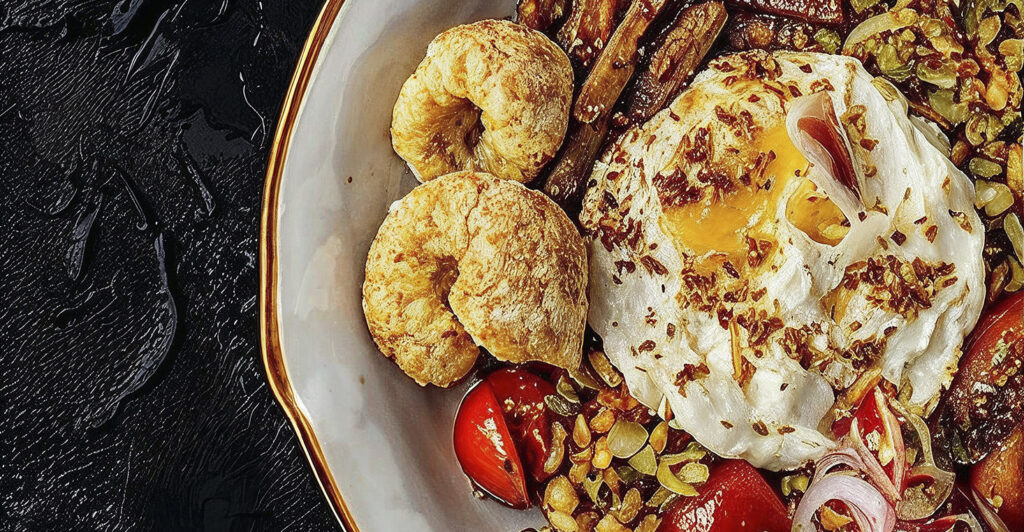
  • Egg based breakfast plate with balanced sides.
  • Toast based dish paired with house prepared accompaniments.
  • Rice based breakfast inspired by Asian flavors.
  • Light protein focused breakfast option.
  • Sweet breakfast dish served in controlled portions.

These menu choices show how Kilo keeps breakfast structured, clean, and composed.

Who Breakfast at Kilo Is Best For

Kilo Kitchen can be suitable for guests who value calm and quality in the morning.

This includes.

  • Travelers avoiding noisy brunch spots.
  • Guests who prefer restaurant level execution.
  • People who enjoy slower mornings.
  • Diners who prioritize flavor balance.

Kilo is not designed for rushed breakfasts.

Starting the Day the Right Way in Bali

Breakfast in Bali sets the tone for the entire day. Whether you choose traditional dishes or modern dining, the key is intention.

If you are looking for a composed and well executed breakfast experience, Kilo Kitchen is a place worth visiting. As a casual dining restaurant in Bali, Kilo Kitchen offers a refined way to enjoy breakfast in Bali without noise, rush, or excess.

Lunch in Bali. How to Enjoy Midday Dining the Right Way

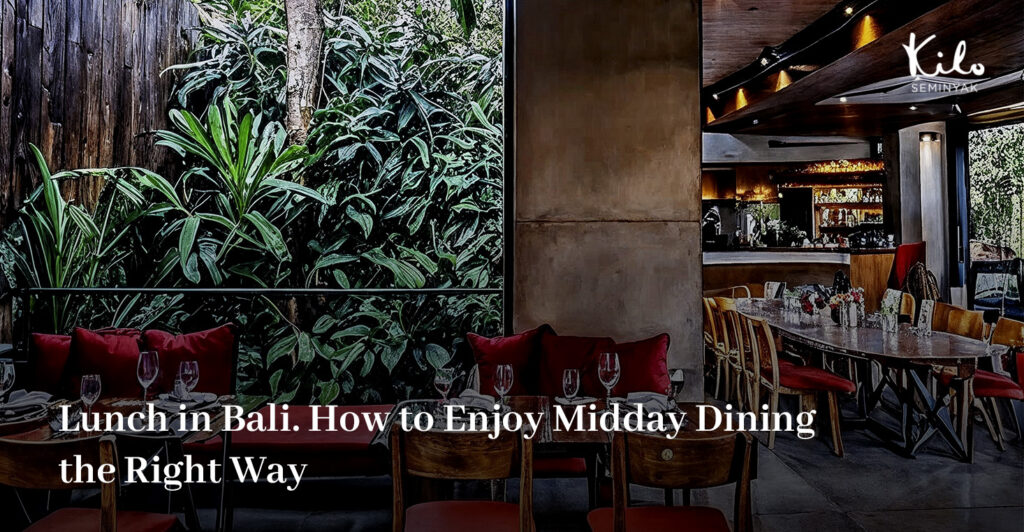
Lunch in Bali is rarely rushed. The island’s pace encourages people to slow down, step away from heat, and enjoy a proper meal. For many travelers and locals, lunch becomes the most balanced meal of the day.

Unlike breakfast which leans toward light plates or dinner that feels more formal, lunch in Bali sits in between. It is filling but controlled. Social but not loud.

This is where restaurant quality and atmosphere start to matter.

How Lunch Culture in Bali Has Evolved

Lunch in Bali used to be simple. Rice, vegetables, and protein served quickly. But over time, dining expectations changed. International travelers brought demand for better ingredients, thoughtful menus, and comfortable spaces.

Today, lunch reflects a mix of casual dining and restaurant level execution. Many places now design lunch menus that feel intentional, not secondary to dinner.

Kilo Kitchen is one of the restaurants that treats lunch with the same care as evening service.

What Makes a Good Lunch in Bali

A good lunch in Bali is defined by balance. Because heavy meals feel uncomfortable under tropical heat, and overly light meals feel incomplete.

Key elements of a well executed lunch include.

  • Controlled portions that satisfy without slowing you down.
  • Clear flavors that remain enjoyable in warm weather.
  • Calm atmosphere suitable for daytime dining.
  • Menus that transition smoothly from lunch to afternoon.

These elements are central to how Kilo Kitchen structures its lunch offering.

Why Kilo Kitchen Works Well for Lunch in Bali

Kilo Kitchen approaches lunch as a complete dining experience, not an afterthought.

When the menu focuses on clarity. Ingredients are allowed to stand on their own. Cooking techniques remain precise, but the dishes feel relaxed enough for midday dining.

On another hand, space also plays an important role. As a casual dining restaurant in Bali, Kilo offers a composed environment that suits business lunches, slow catch ups, or solo dining without distraction.

This balance makes Kilo a strong reference when talking about lunch in Bali.

5 Lunch Menu Choices at Kilo Kitchen

Kilo Kitchen’s lunch menu reflects its philosophy of restraint and balance, and here below are five lunch menu items listed on the Kilo menu that represent this approach.

  • Protein focused main dish paired with seasonal sides.
  • Rice based lunch plate inspired by Asian flavors.
  • Pasta or grain based dish designed for midday dining.
  • Seafood lunch option cooked with minimal intervention.
  • Light dessert suitable for finishing lunch without heaviness.

Each dish is structured to support a calm and comfortable lunch experience.

Who Lunch at Kilo Is Best For

Lunch at Kilo Kitchen suits diners who value intention over speed.

It works well for.

  • Guests who prefer quieter daytime dining.
  • Business meetings that require focus.
  • Travelers looking to escape crowded cafes.
  • Diners who want restaurant quality food at lunch.

Kilo is not built for rushed schedules. It is designed for presence.

Choosing the Right Lunch Spot in Bali

Not every lunch place in Bali serves the same purpose. Some only focus on one things like speed, volume, or atmosphere. But ilo focuses on control and consistency. This makes it a reliable choice when lunch is meant to feel purposeful.

Ending the Daytime Meal with the Right Experience

Lunch in Bali sets the tone for the rest of the day. It can either drain energy or restore it.

For those who value balanced flavors, thoughtful execution, and a calm dining space, Kilo Kitchen offers a lunch experience worth prioritizing. It is a place where lunch in Bali feels intentional, composed, and well spent.